

Finding a turtle available for sale calls for greater than searching listings it demands comprehending species-specific requirements, lawful considerations, and honest sourcing techniques. Whether you're searching for an ivory sulcata tortoise to buy or researching where to buy tortoise online, making a notified choice makes sure both your success as a caretaker and the health and wellbeing of these impressive reptiles. With correct types choice and respectable sourcing, tortoises end up being 50+ year buddies that flourish in captive atmospheres.
This comprehensive overview strolls you via whatever from species choice to environment configuration, aiding you browse the turtle market with self-confidence.
Recognizing Different Tortoise Species Available
Popular Species for First-Time Keepers
Russian Tortoises remain the most beginner-friendly option, reaching 8-10 inches and adjusting well to indoor/outdoor rooms. Their moderate size and sturdy nature make them ideal starter tortoises.
Greek Tortoises provide comparable advantages with a little various treatment needs, preferring drier problems and reaching comparable adult sizes.
Premium and Specialty Species
When trying to find an aldabra turtle for sale, understand you're committing to among the globe's largest tortoise types. These titans reach 350+ pounds and need substantial outside space in proper climates.
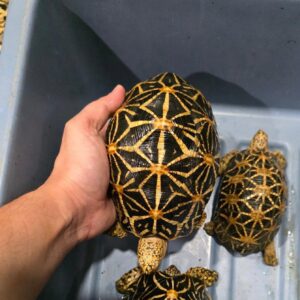
The radiated turtle available stands for among one of the most aesthetically spectacular varieties, with geometric shell patterns that make them very demanded. Nonetheless, they're critically jeopardized and call for CITES documents for legal possession.
For collectors looking for uniqueness, a real albino tortoise for sale regulates costs prices as a result of severe rarity. These hereditary variations lack melanin entirely, displaying pale yellow or white tinting with pink eyes.
The cream color sulcata tortoise to buy showcases a leucistic shade morph of the African stimulated tortoise, including cream-colored coverings rather of normal brown tones. Sulcatas grow to 100+ pounds and need large outdoor enclosures in warm environments.
Vital Factors Before Buying a Tortoise
Dimension and Space Requirements.
Think about adult dimension, not hatchling dimensions:.
Small types (6-10 inches): Russian, Greek, Egyptian.
Medium varieties (10-18 inches): Redfoot, Hermann's.
Large types (18-30+ inches): Sulcata, Leopard, Aldabra.
A Russian tortoise needs minimal 4x8 feet of flooring space, while sulcatas require 100+ square feet outdoors.
Life expectancy Commitment.
Tortoises consistently outlast their initial proprietors:.
The majority of types: 50-80 years.
Huge varieties: 80-150+ years.
Record owners: 180+ years recorded.
This isn't a pet dog it's a multi-generational obligation needing estate planning consideration.
Environment Compatibility.
Match species to your geographical area:.
Mediterranean species (Greek, Hermann's): Tolerate cooler winters months.
Exotic varieties (Redfoot, Yellowfoot): Require year-round heat and moisture.
Desert species (Sulcata, Leopard): Need hot, dry conditions.
Interior home heating comes to be cost-prohibitive for big species in chilly climates.
Where to Buy Tortoise Online Safely.
Reputable Breeder Characteristics.
Look for these non-negotiable pens when you get turtle online:.
✅ Detailed wellness warranties with certain arrival problem terms.
✅ Photographic proof of the specific animal you're buying.
✅ Transparent parentage info showing captive-bred family tree.
✅ Responsive communication addressing species-specific concerns.
✅ Proper paperwork consisting of wellness certificates and CITES papers when appropriate.
Warning to Avoid.
Rates significantly below market price.
Unclear or supply photos as opposed to individual animal shots.
Unwillingness to supply referrals or reviews.
Pressure methods or limited-time deals.
Lack of expertise concerning fundamental treatment needs.
Lawful Compliance Verification.
Before finalizing any turtle available purchase:.
Verify CITES condition for secured varieties (Radiated, Ploughshare, Egyptian).
Inspect state policies-- some states restriction particular species.
Demand documentation proving lawful captive breeding.
Verify interstate shipping legality for your location.
Never purchase wild-caught pets or those without proper documentation.
Health Assessment for Tortoise Purchases.
Visual Inspection Checklist.
Healthy and balanced tortoises display:.
Clear, brilliant eyes without discharge or swelling.
Smooth covering devoid of pyramiding, soft places, or discoloration.
Energetic, sharp behavior with responsive activity.
Also breathing without wheezing or mouth gaping.
Clean nares (nostrils) and air vent area.
Caution indicators consist of:.
Sleepiness or lack of action to stimuli.
Runny nose or bubbles from nostrils.
Covering rot, fractures, or irregular structure.
Thick beak or flawed limbs.
Noticeable parasites or skin sores.
Pre-Purchase Questions.
Ask sellers these essential inquiries:.
What is the hatch day and exact age?
What details diet has the tortoise been obtaining?
Has it been taken a look at by a reptile vet?
What are the parents' sizes and health history?
What assurance covers health issues uncovered within 72 hours?
Cost Breakdown: Beyond Purchase Price.
Preliminary Investment.
Hatchling Russian tortoise: $150-$ 300.
Adult sulcata tortoise: $300-$ 600.
Radiated turtle (with papers): $2,000-$ 5,000+.
Real albino morphs: $5,000-$ 15,000+.
Arrangement Expenses.
Essential tools costs:.
Unit (custom-made or commercial): $200-$ 2,000.
UVB lighting system: $100-$ 300.
Heating aspects: $50-$ 200.
Substrate and conceals: $50-$ 150.
Water and food dishes: $20-$ 50.
Ongoing Annual Costs.
Quality food and supplements: $200-$ 500.
Power for heating/lighting: $150-$ 600.
Yearly veterinary examination: $100-$ 300.
Substratum substitute: $100-$ 200.
Large varieties raise all these numbers significantly.
Setting Up the Ideal Tortoise Habitat.
Temperature Level Gradient Requirements.
Create appropriate thermal zones:.
Basking spot: 95-105 ° F( species-dependent). Cozy side: 85-90 °
F. Cool side: 75-80 ° F. Nighttime drop: 65-75 ° F. Use quality thermostats at multiple locations, never ever depending on guesswork. UVB Lighting Essentials. Tortoises require 10-12 hours daily of UVB exposure for:. Calcium metabolic rate and covering advancement. Vitamin D3 synthesis. All-natural behavioral
patterns.
Immune system function.
Change light bulbs every 6-12 months no matter visible light outcome UVB degrades prior to noticeable light fails. Substratum Selection. Species-appropriate
alternatives:.
Desert species: Topsoil/sand mix( 70/30 ratio). Mediterranean species: Coconut coir/cypress compost blend. Tropical varieties: Organic topsoil with high moisture retention. Stay clear of: Cedar, pine( hazardous oils), crushed rock
( impaction danger ), paper (poor humidity). Feeding Your Tortoise Properly.
Species-Specific Diets.
Vegetarian species( Sulcata, Greek, Russian):. 80% dark leafy eco-friendlies( dandelion
, collard, turnip environment-friendlies ). 15% veggies( squash, bell pepper, cactus pads). 5% edible flowers( hibiscus, rose petals).
Omnivorous types (Redfoot, Yellowfoot):
. 70% plant matter. 20 %fruits.
10% protein( bugs, moistened
low-fat canine food). Supplements Required.
Dirt food with:.
Calcium powder( without D3): 4-5 times weekly. Calcium with D3: Once weekly for indoor tortoises. Multivitamin: Once regular.
Over-supplementation causes
wellness issues extra isn't much better. Expert Opinion: Common Buyer Mistakes. After 15+ years reproducing and positioning tortoises, I've observed reoccuring blunders that jeopardize pet well-being:. The greatest mistake? Purchasing based on appearance rather than way of living compatibility. That lovable sulcata hatchling becomes a 100-pound lawnmower calling for outside room most customers do not have. 2nd most typical? Ignoring arrangement prices. Purchasers spend $200 on a turtle, after that stop at$ 500 for proper equipment, trying insufficient real estate that causes illness costing thousands in vet care. Third? Impulse purchases without research. Tortoises aren't starter pets they're specialized reptiles with exact needs that have to be fulfilled non-negotiably. The effective keepers? They research study for months, get in touch with numerous dog breeders, prepare environments before animals get here, and budget plan genuinely for years of treatment. Verdict. Locating the right tortoise available includes cautious varieties option, comprehensive breeder vetting, and sincere assessment of your lasting dedication capability. Whether you select to purchase turtle online or through local dog breeders, focus on health and wellness, legal conformity, and species-appropriate treatment prep work. These ancient reptiles reward proper husbandry with decades of remarkable companionship but just when keepers match species to their real capacities instead than wishful thinking. Begin your trip notified, prepared, and excited for the remarkable experience of tortoise maintaining. Frequently Asked Question Schema Section. Q: What is the best tortoise for newbies? A: Russian tortoises are excellent for beginners because of their manageable adult dimension( 8-10 inches),
hardy nature, and flexibility to various climates. They call for much less space than larger varieties and tolerate temperature level variations far better than exotic varieties. Q: How much does it cost to get a turtle online? A: Prices vary from $150-$ 300 for common species like Russians to $2,000-$ 5,000+ for uncommon varieties like radiated turtles. Real albino morphs can set you back$ 5,000-$ 15,000. Budget an added$ 500 -$ 2,000 for correct habitat configuration. Q: Are aldabra tortoises lawful to have? A: Aldabra tortoises are lawful in the majority of U.S. states however need CITES paperwork verifying captive-bred origin. Inspect your particular state policies, as some jurisdictions limit or ban ownership of gigantic turtle species. Q: What papers should include a turtle purchase? A: Reputable sellers supply a health and wellness guarantee, hatch certification revealing captive-bred status, care guidelines, and CITES permits for secured species. Constantly request photo evidence of the specific animal you're purchasing. Q: Can I keep a sulcata turtle inside year-round? A: While hatchlings can live inside your home briefly, grown-up sulcatas (100+ extra pounds) need big exterior units in cozy environments. Interior home heating expenses for grownups become prohibitively pricey, and they require considerable room to thrive properly.