

Finding the proper tortoise for sale is about much more than choosing a species it’s about health and fitness, ethical breeding, long-term care, and working together with a trusted resource. Whether you’re the first-time keeper or even a highly skilled reptile enthusiast, selecting a captive-bred tortoise ensures better health, predictable behavior, and a smoother move into your home.
Tortoises are long-lived, intelligent reptiles that could thrive for years when cared for properly. Information may help you know what to look for, just how to buy safely and securely, and which species best suits your life-style.
Why Getting a Tortoise Responsibly Things
Not really all tortoises offered online or throughout private sales will be raised under the particular same standards. Accountable breeders focus on:
Captive breeding (never wild-caught)
Species-specific nutrition
Veterinary health testing
Legal documentation and permits where essential
Choosing a reputable tortoise for sale protects the two you and the animal while helping ethical reptile preservation.
Buy Tortoise Online: What to Expect From a Reputable Seller
If you intend to buy tortoise online, transparency and education and learning should come regular. An expert breeder or even retailer will provide:
Key Trust Symptoms
Clear species id
Hatch date or approximate age
Feeding and care background
Secure, climate-controlled shipping
Post-purchase help
Exactly what You Should Steer clear of
No photos regarding the actual animal
No health guarantee
Vague answers regarding origin
Prices that seem unrealistically low
💡 Expert tip: Healthy tortoises will be alert, have very clear eyes, firm shells, and strong nourishing responses.
Popular Tortoise Species available for sale
Picking the right kinds depends upon space, weather, and experience degree. Here are some of the most sought-after tortoises available these days.
True Albino Tortoise for Sale
The true albino tortoise for sale is extremely rare and visually striking, characterized by:
Pink or crimson eyes
Cream or even ivory shell toque
Genetic albinism (not leucistic)
Important care and attention note: Albino tortoises are more delicate to light in addition to require shaded enclosures and careful UVB management.
Aldabra Tortoise for Sale
The aldabra tortoise for sale is perfect only for innovative keepers or organizations due to its massive size.
Key facts:
Second most significant tortoise species on earth
Can exceed 500 lbs
Lifespan: 100+ years
Requires massive areas of space and even reinforced fencing
This kind of species is perfect suited for private estates, zoos, or conservation programs.
Cream color Sulcata Tortoise regarding Sale
An ivory sulcata tortoise for sale offers a lighter in weight shell coloration as opposed to standard sulcatas, making it extremely desirable.
Why keepers love them:
Hardy and fast-growing
Solid personalities
Adaptable to be able to warm climates
⚠️ Sulcatas grow quite large and need outdoor enclosures in adulthood.
Radiated Tortoise with regard to Sale
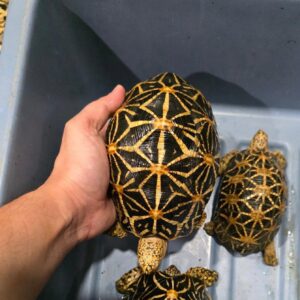
A radiated tortoise for sale is prized for its stunning star-patterned shell.
Highlights:
Native to Madagascar
Moderate dimension (14–16 inches)
Quiet, gentle temperament
As a result of conservation laws, radiated tortoises must become captive-bred and distributed with proper records.
Advantages of Owning the Tortoise
Tortoises will be unique, rewarding companion pets when matched using the right proprietor.
Advantages
Extremely very long lifespan
Quiet, low-odor household pets
Fascinating actions
Minimal daily dealing with essential
Cons
Long-term commitment
Specialized diet regime and lighting
Many species require big outdoor space
How you can Prepare Before Buying a Tortoise
Prior to purchasing any tortoise for sale, preparation is vital.
Step-by-Step Guidelines
Study your chosen varieties thoroughly
Set up the enclosure prior to appearance
Install appropriate UVB and high temperature options
Stock suitable food (grasses, weeds, greens)
Locate the exotic-experienced veterinarian
📝 Expert recommendation: Several health issues in tortoises stem from improper lighting and diet plan not genetics.
Feeding and Nutrition Necessities
An appropriate diet is usually the foundation of tortoise health.
Staple Meals
Grass and hay (for grazing species)
Dandelion vegetables
Collard greens
Hibiscus simply leaves
Avoid
Fruit (except rare treats regarding some species)
Dog protein
Processed food
Calcium supplementation and entry to UVB lights are non-negotiable.
Actual Expert Insight 🧠
As breeders and long-term keepers notice, tortoises raised inside stable, enriched environments show:
Stronger shells
Better growth rates
Reduced stress actions
Increased longevity
Captive-bred tortoises consistently outperform wild-caught individuals throughout health insurance and adaptability.
Honourable and Legal Things to consider
Many tortoise species are protected below international law.
Constantly ensure:
The tortoise is legally bred
CITES permits are usually provided if expected
Local and local regulations let ownership
Buying ethically helps preserve outdoors populations for potential future generations 🌍
Bottom line: Choosing the Right Tortoise for Selling
Selecting the proper tortoise for sale is a lifelong decision of which deserves careful believed. When you buy from your reputable, experienced source, you’re investing in a healthful animal and many years of enjoyment. With proper care, area, and commitment, a new tortoise becomes even more than a family pet it becomes a new legacy companion
COMMONLY ASKED QUESTIONS Schema Section
FAQ 1: Is that safe to buy a tortoise online?
Yes, when purchasing from a trustworthy breeder who provides health guarantees, lawful documentation, and secure shipping.
FAQ two: How long carry out pet tortoises are living?
Depending on species, tortoises can live 40–100+ years with suitable care.
FAQ 3 or more: Are captive-bred tortoises better than wild-caught?
Absolutely. Captive-bred tortoises are healthier, legitimately obtained, and adjust better to captivity.
FAQ 4: Do tortoises require UVB lighting?
Yes. UVB lighting is fundamental for calcium intake and shell enhancement.
FAQ 5: What is the least difficult tortoise species for beginners?
Smaller kinds like Russian or perhaps Greek tortoises will be often best with regard to beginners due in order to manageable size in addition to care needs.